 English
What is a barrel-type microcontroller used for?
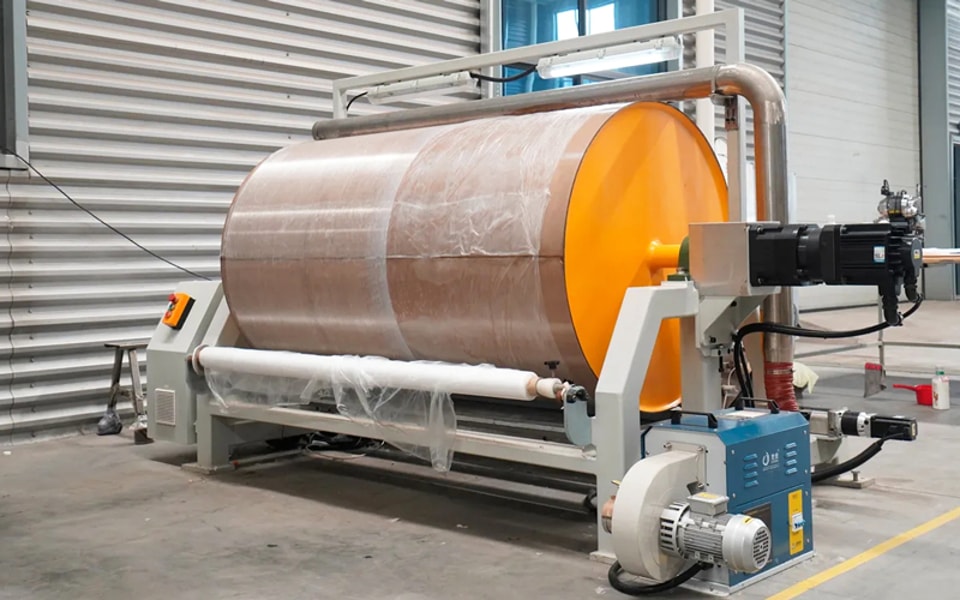
A barrel-type microcontroller is an intelligent control unit used in industrial automation. Its core function is to centrally process various signals, perform logical operations, and execute real-time control during equipment operation, thereby enabling automated functioning and precise regulation. Typically deployed in continuous production equipment or multi-station collaborative systems, it replaces traditional manual or simple relay-based controls, rendering the entire production process more stable, efficient, and intelligent.
First, the primary application of the barrel-type microcontroller is the automated control of equipment operations. It manages the entire operational cycle—including startup, active running, and shutdown—based on preset programs. For instance, during production, it can automatically execute sequences such as heating, pressurization, pressure holding, cooling, and unloading without requiring frequent manual intervention. This automation not only boosts production efficiency but also minimizes human error, resulting in a more stable and reliable production process.
Second, the microcontroller possesses robust capabilities for multi-signal acquisition and processing. It receives real-time input from various sensors—such as those for temperature, pressure, position, and speed—and rapidly analyzes this data to determine the equipment's current operational status. Should it detect anomalies—such as excessive temperature, insufficient pressure, or operational deviations—the system can immediately make adjustments or trigger alarms to ensure safe operation. This real-time monitoring capability is particularly crucial for complex industrial equipment.
Third, the barrel-type microcontroller plays a vital role in process control. Many continuous production processes require strict timing and sequencing coordination between different stages; for example, the heating, reaction, and cooling phases must transition precisely. The microcontroller automatically manages the timing of phase transitions and operational parameters according to preset programs, standardizing the production workflow and ensuring consistent product quality.
Furthermore, the barrel-type microcontroller enables coordinated control between multiple pieces of equipment. In systems involving linked equipment—such as multi-station machining lines or continuous conveyor systems—units must operate in synchronization. Through signal communication, the microcontroller facilitates data exchange and collaborative control across multiple devices, ensuring seamless integration between stages like loading, processing, inspection, and unloading, thereby enhancing overall production efficiency.
The barrel-type microcontroller also plays a significant role in data recording and analysis. It records key operational parameters—such as temperature and pressure profiles, run times, and fault logs. This data not only enables production traceability but also assists operators in analyzing process stability, optimizing production parameters, and enhancing both product quality and equipment utilization.
Additionally, the control system features fault diagnostic capabilities. When anomalies occur, the microcontroller identifies the fault type based on preset logic and alerts operators via the display interface or alarm system. Issues such as motor overloads, sensor failures, or actuator malfunctions can be rapidly detected, thereby minimizing downtime and improving maintenance efficiency.
The microcontroller also plays a vital role in parameter adjustment. Operators can configure key process parameters—including temperature, pressure, speed, and timing—through the control interface and flexibly modify them to meet specific product requirements. This programmable control approach allows the equipment to adapt to diverse production processes, enhancing its versatility and flexibility.
Furthermore, the microcontroller is crucial for safety protection. It supports multiple safety mechanisms, such as over-temperature protection, over-pressure protection, and emergency shutdown protocols. Upon detecting hazardous signals, the system automatically halts operations or enters a safe mode to prevent equipment damage or production accidents, thereby ensuring operator safety and stable equipment performance.
With the advancement of industrial automation, these microcontrollers are evolving toward greater intelligence. Advanced systems now offer remote monitoring, data uploading, and networked management capabilities; remote commissioning and operational monitoring via the network make equipment management significantly more convenient and efficient.
In summary, the microcontroller serves a wide range of functions, including automated control, signal acquisition and processing, production workflow management, coordinated equipment control, data logging and analysis, fault diagnosis, parameter adjustment, and safety protection. By enabling intelligent control and management of industrial equipment, it substantially boosts production efficiency, stability, and safety, making it an indispensable component of modern automated production systems.


